

Growing up with CYC afterschool
Aidan has been part of CYC since elementary school. Now at Aptos Middle School, he still spends his afternoons with CYC, cooking, catching up with friends, and spending time with program staff.
For students like Aidan, afterschool can become a familiar part of growing up. The activities may change as they get older, but the relationships they build with friends and staff can continue from one school year to the next.
Across San Francisco, Community Youth Center of San Francisco (CYC) provides afterschool programs at Dianne Feinstein, Garfield, George Moscone, and Redding elementary schools; Aptos Middle School; and Balboa High School and San Francisco International High School. From elementary through high school, these programs give students time to connect with friends, pursue their interests, and build relationships with adults who get to know them beyond the classroom.
This Lights On Afterschool, a nationwide campaign recognizing the importance of afterschool programs, we’re sharing how these everyday experiences become part of young people’s lives as they move through their school years.

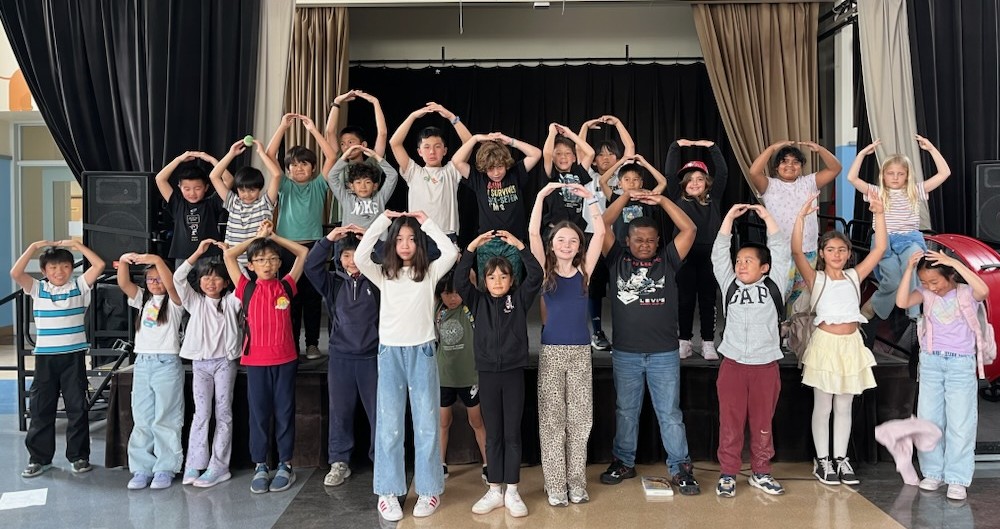
Where friendships begin
For fourth graders Faith and Kristin, afterschool is something they look forward to sharing.
The two met during summer programming at Dianne Feinstein Elementary School and quickly became best friends. When asked what they enjoy most about afterschool, they answered in unison, “Hanging out with friends!” before laughing together.
Now, they spend their afternoons playing games, making art, and enjoying each other’s company after the school day ends. A friendship that began over the summer has become part of their school-year routine.
For other students, getting comfortable in a new environment can take more time.
Ryan, a Program Leader at Dianne Feinstein Elementary School, remembers a student who transferred schools after a difficult experience. When she first joined the program, she had trouble opening up and making friends. As she spent more time with other students and staff, she gradually began forming friendships of her own.
“Over time, she started opening up and making friends. Now, she’s so busy talking with the other kids that she barely has time to talk to me,” Ryan recalled.
For Ryan, seeing the student become more comfortable with her classmates was a welcome change. The same student who once struggled to connect with others now spends her afternoons surrounded by friends.
These friendships are part of what makes afterschool meaningful for younger students. Through games, shared activities, and time spent together, they begin forming relationships that can continue throughout the school year.


Growing more independent, staying connected
As students move into middle school, they begin making more decisions about how they spend their time and who they turn to for support.
At Aptos Middle School, Aidan enjoys cooking and spending time with friends and program staff. Gianna, who joined CYC two years ago, looks forward to DIY projects with friends and conversations with Site Coordinator Amber Rojas and Assistant Site Coordinator Casey Gapal.
For Casey, getting to know students means being part of their everyday lives. Some afternoons are filled with casual conversations, while others bring questions or concerns that students want to talk through.
“One of the best parts of this job is the relationships you build with students. You get to know them as they grow, and you can be there to support them when they’re working through something,” Casey shared.
Sometimes, building those relationships begins with an invitation.
Program Leader Muriel Shattuck remembers a group of boys who regularly spent time in the school’s hallways and basement. She encouraged them to come into the afterschool center, and eventually they began visiting regularly.
“They started spending more time here and making it their space. It made me happy that they felt at home with us,” Muriel recalled.
What began as an invitation became part of their afternoon routine. The students found somewhere they wanted to spend their time, with staff who welcomed them each day.
At this age, having more independence doesn’t mean students stop needing people they can count on. Afterschool gives them room to make their own choices while maintaining relationships with adults who know them and are available when they need support.


Taking the lead in high school
By high school, students are balancing classes, friendships, and growing responsibilities. Their interests are also changing, and afterschool offers time to pursue those interests outside the structure of the school day.
At Balboa High School, students have spent afternoons experimenting with recipes, making candles and pins, and catching up with friends and staff.
For Axel, a junior at Balboa, the program offers a welcome break from the demands of school.
“I feel at peace coming here after my hectic school day.”
Program Leader Charleese sees that sense of comfort as an important part of the environment she helps create. Students have room to be themselves, and relationships between participants often extend beyond shared activities.
She has watched older students offer advice to younger participants, including helping them think through which classes to take. These conversations give students a chance to learn from peers who have already navigated some of the same decisions.
As students become more comfortable in the program, some also begin taking on responsibilities of their own.
Assistant Site Coordinator Grethel remembers one student who initially struggled to see herself as a leader. Over time, she began reaching out to classmates she hadn’t spoken with before and participating more actively in group activities.
Eventually, she started taking charge of sewing activities, helping guide projects and bringing other students into the process.
“It’s meaningful to see a student start to believe in herself and become more comfortable reaching out to other people,” Grethel said.
The student’s experience reflects a change that can happen gradually. Through an activity she enjoyed, she found a way to contribute to the program and take on a role she hadn’t previously seen herself in.


The value of being there, year after year
From elementary school through high school, what young people need from afterschool changes.
For Faith and Kristin, it’s time to spend with a best friend. For Aidan, it’s a familiar program that has remained part of his life as he’s gotten older. At Balboa, students can unwind after a busy day, seek advice from peers, or take responsibility for activities they enjoy.
For staff, being part of those experiences means getting to know students over time. They notice when someone begins making friends, when a student starts coming into the center more often, or when a young person who once hesitated to speak up begins leading an activity.
These changes don’t happen all at once. They take shape through the afternoons students spend together and the relationships they build along the way.
That’s part of what Lights On Afterschool celebrates. Across San Francisco, afterschool programs give young people a consistent place to return to as their interests, friendships, and responsibilities change. For families, they also provide dependable care and familiar adults who are part of their children’s school-day routines.
As the holiday season approaches, CYC’s Heart of the Holidays campaign invites our community to help sustain these programs for the students and families who rely on them.
Make a gift to Heart of the Holidays to help CYC continue showing up for young people, from their first friendships in elementary school to the growing independence of high school.